Melissa Leaf

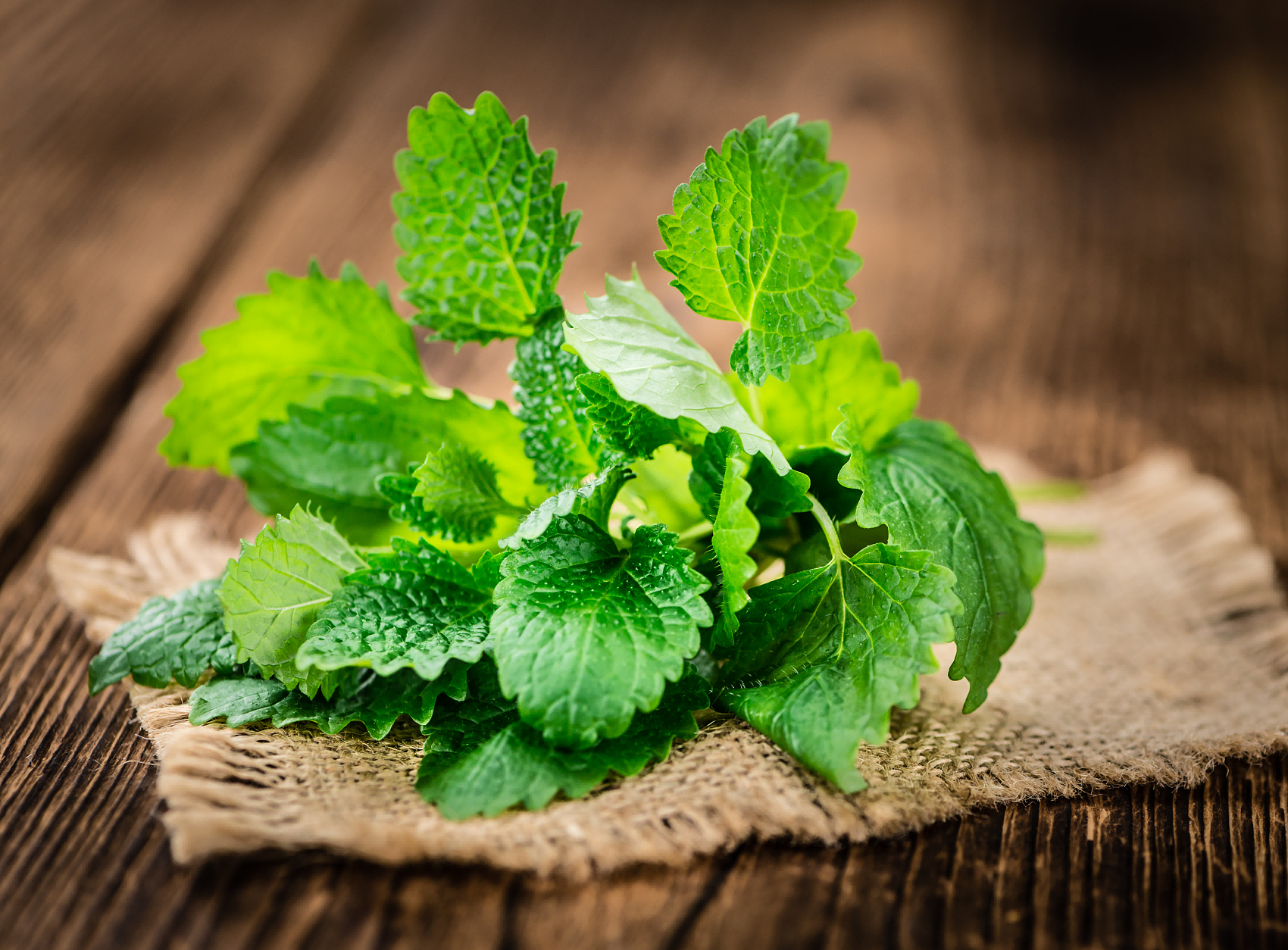
Melissa Leaf The main components of Melissa Leaf has extremely high antioxidant activity. Rosmarinic acid, as one of the active ingredients of vanilla, has been shown to inhibit GABA transaminase and inhibit the degradation of GABA, thus increasing the concentration of GABA in the brain, which has a calming and soothing effect on anxiety Two other main components of vanilla: caffeic acid and citral have been experimentally proven to have anti-anxiety effects. The active ingredients contained in vanilla extract can increase resistance to myocardial damage by improving the balance of the redox system and lowering the heart rate.

Continue reading

Milk Thistle

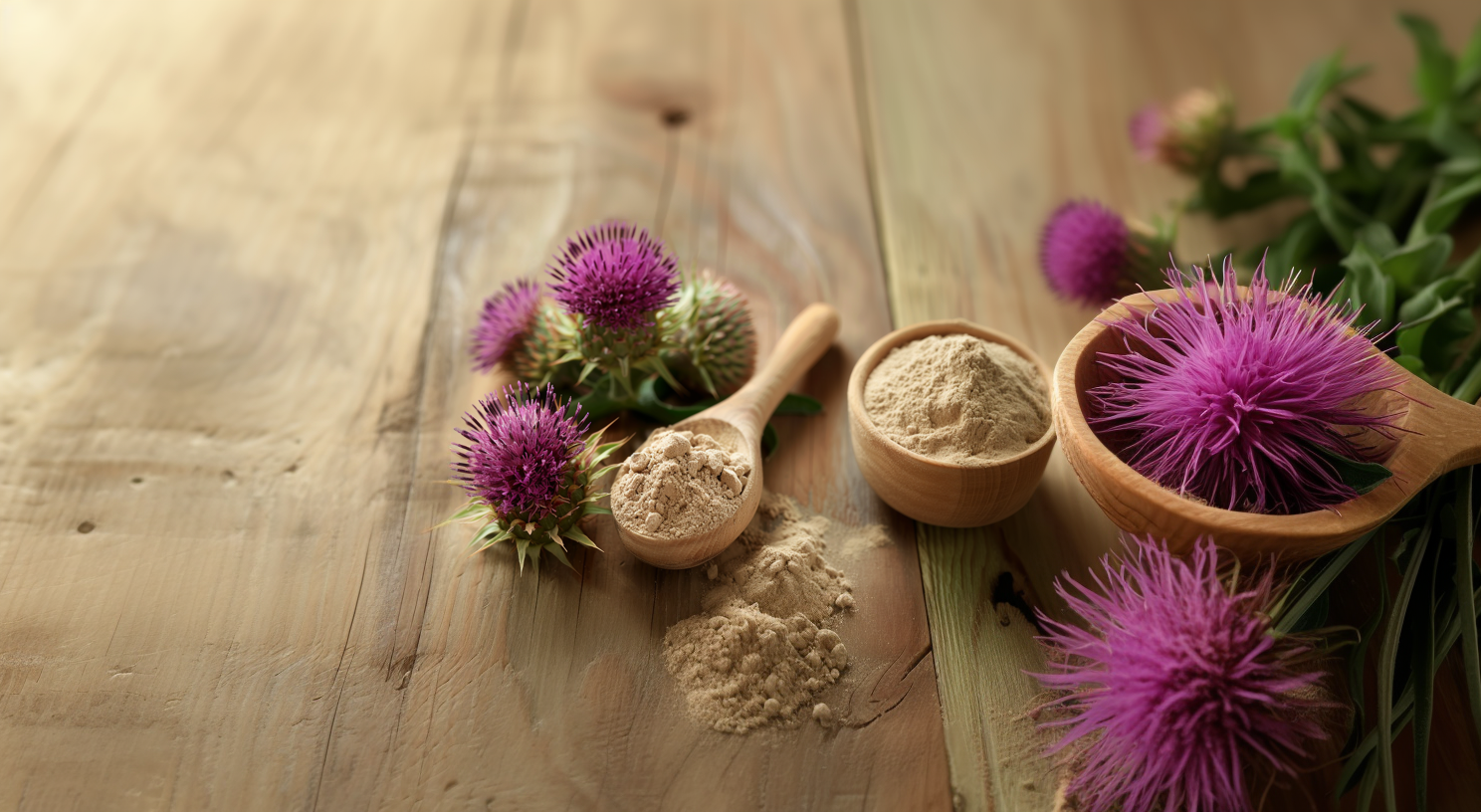
Milk Thistle This Silymarin has liver function protection, promote liver cell regeneration, anti-inflammatory effect, choleretic, antioxidant and other effects and functions. Liver function protection Flavonoids contained in artichoke can enhance the stability of liver cell membrane, reduce steatosis and inflammation. It improves the detoxification ability of the liver by improving the structure and function of liver cells. Promote liver cell regeneration The components in silymarin have the effect of stimulating the proliferation of liver cells, which helps to repair damaged liver tissue. Anti-inflammatory effect The active ingredients in silymarin have anti-inflammatory effects, which can reduce the inflammatory response of the liver. Choleretic Silymarin can increase bile secretion and improve cholestasis. Antioxidant

Continue reading

Pumpkin Seeds Peptide

Pumpkin Seeds Peptide Proteins from Pumpkin have a rich amino acid composition and are a good source of plant protein. It has the effects of improving cardiovascular, enhancing the body’s immunity, enhancing male reproductive ability; It can promote muscle synthesis, antioxidation, and lowering blood sugar.

Continue reading

Monk fruit

Monk fruit The ingredient of Monk fruit is a light yellow to brown coloured powder. The taste is extremely sweet, its sweetness is 240 times sweeter than the sweetness of sucrose, and the sweetness is close to that of granulated sugar, with an aftertaste slightly similar to that of liquorice. The melting point of high purity Luo Han Guo Sweet Glycoside is 197 ~ 201℃. Easily soluble in water and ethanol. Modern medical research has found that Monk fruit is rich in Monk fruit sweet glycosides, sweetness is 300 times the sweetness of sucrose, with hypoglycemic effect, can be used to assist in the treatment of diabetes mellitus; Rich in vitamin C, with anti-aging, anti-cancer and skin beauty effects; Lowering blood lipids and weight loss, can assist in the treatment of hyperlipidaemia, to improve the image of obese people. 4. It can also be widely used in nutrition and health care products, baby food, puffed food, seasoning, middle-aged and old-aged food, solid beverage, pastry, cold food, convenience food, instant food and so on.

Continue reading

Polygonatum Sibiricum

Polygonatum Sibiricum Polygonatum Sibiricum has the effect of tonifying qi and nourishing yin, strengthening the spleen and benefiting kidney function. Rhizoma Polygonati Odorati is the major ingredient from the rhizome with Rhizoma Polygonati as the raw material. Rhizoma Polygonati Odorati is crushed, extracted and concentrated after the raw material is selected, and finally spray-dried into Rhizoma Polygonati. Polygonatum Sibiricum can also play a certain anti-bacterial effect on typhoid bacillus, staphylococcus aureus, antacid bacillus and so on.

Continue reading

Mint

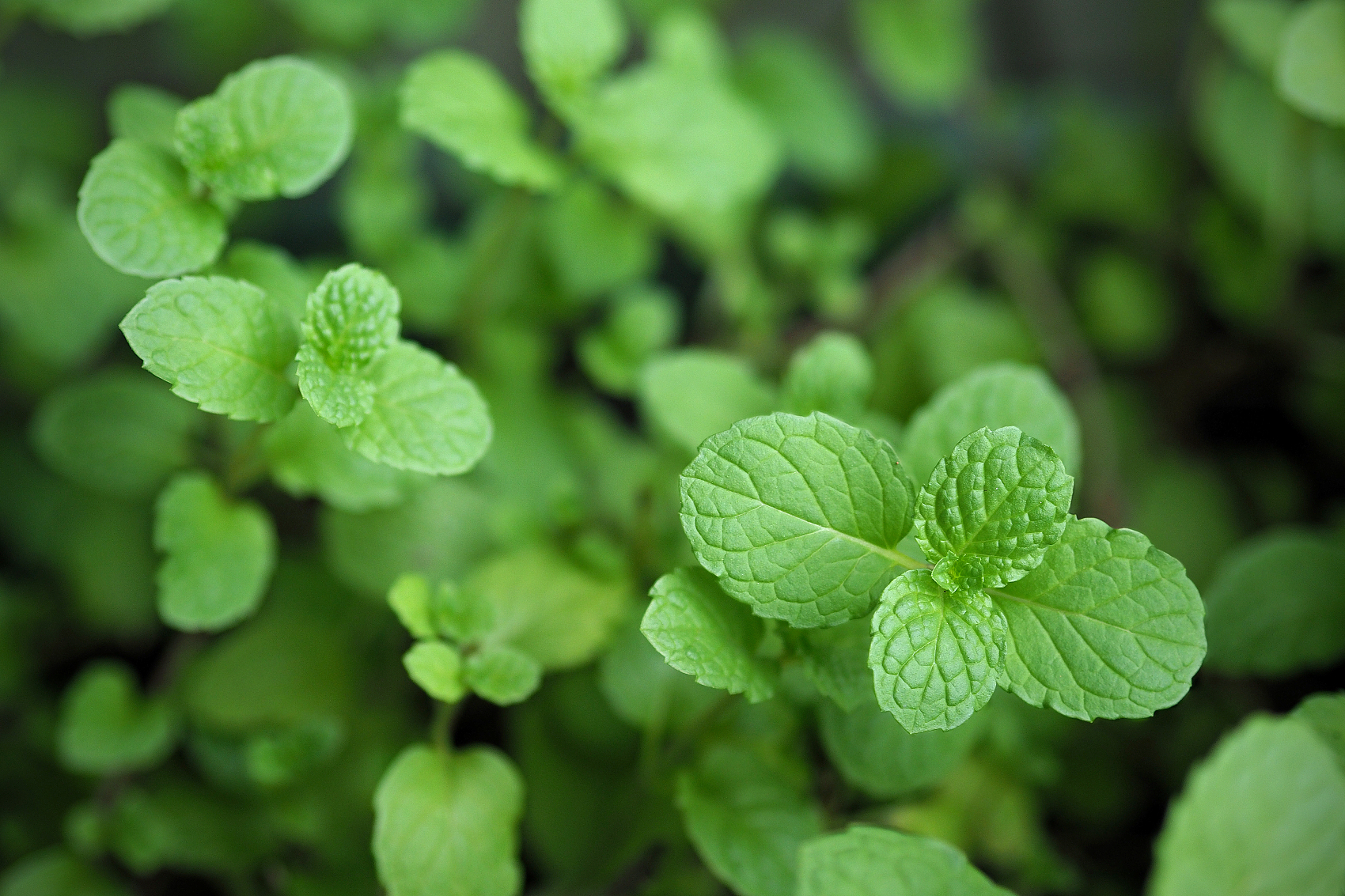
Mint Mint has a small amount of internal use which can excite the central nervous system, make the skin vasodilatation, promote the secretion of sweat glands, so it can sweat and relieve fever. It can promote the inflammation of the throat, mucous membrane local vasoconstriction, to reduce swelling and pain. Externally, it can paralyze the nerve endings, pain and exhaustion. Decoction of the human type of tuberculosis mycobacterium has an inhibitory effect on the typhoid bacillus also has obvious antibacterial effect.

Continue reading

Mulberry leaf

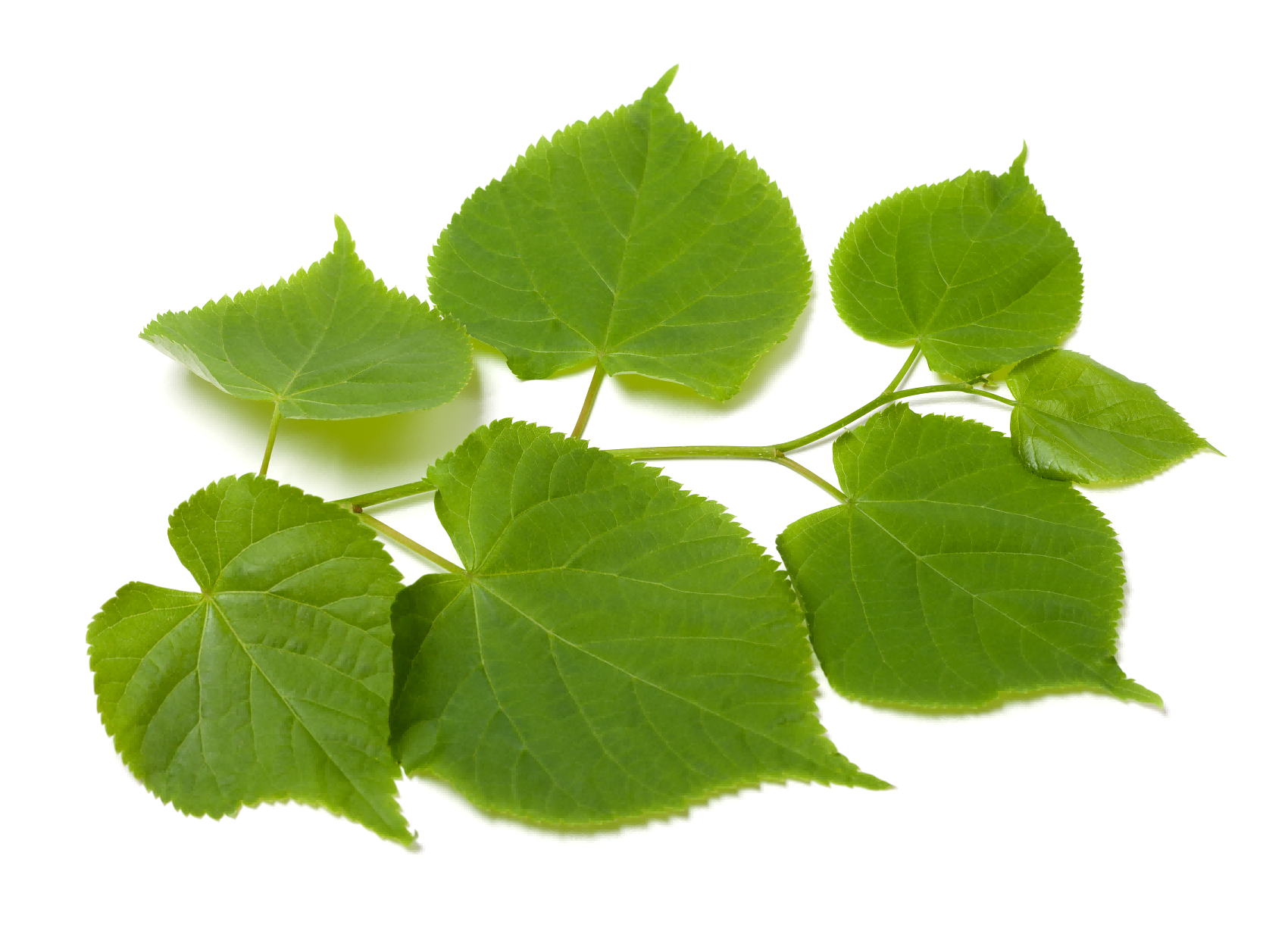
Mulberry leaf Mulberry contains various physiological active substances such as mulberry leaf flavonoids, mulberry leaf polyphenols, mulberry leaf polysaccharides, DNJ, GABA, etc. Its main functions include: To inhibit the activity of disaccharide degrading enzymes through the alkaloid DNJ (1-deoxynojirimycin), thereby inhibiting the absorption of disaccharides in the small intestine and reducing the peak value of postprandial blood sugar (Kimura, 1995); It is promoted through the use of mulberry leaf alkaloids fagomine and mulberry leaf polysaccharides β Cells secrete insulin, which can promote cell utilization of sugar, liver glycogen synthesis, and improve glucose metabolism, ultimately achieving the effect of lowering blood sugar; It is used for dispersing wind heat, clearing the lungs and moistening dryness, clearing the liver and brightening the eyes.

Continue reading

Red Currant

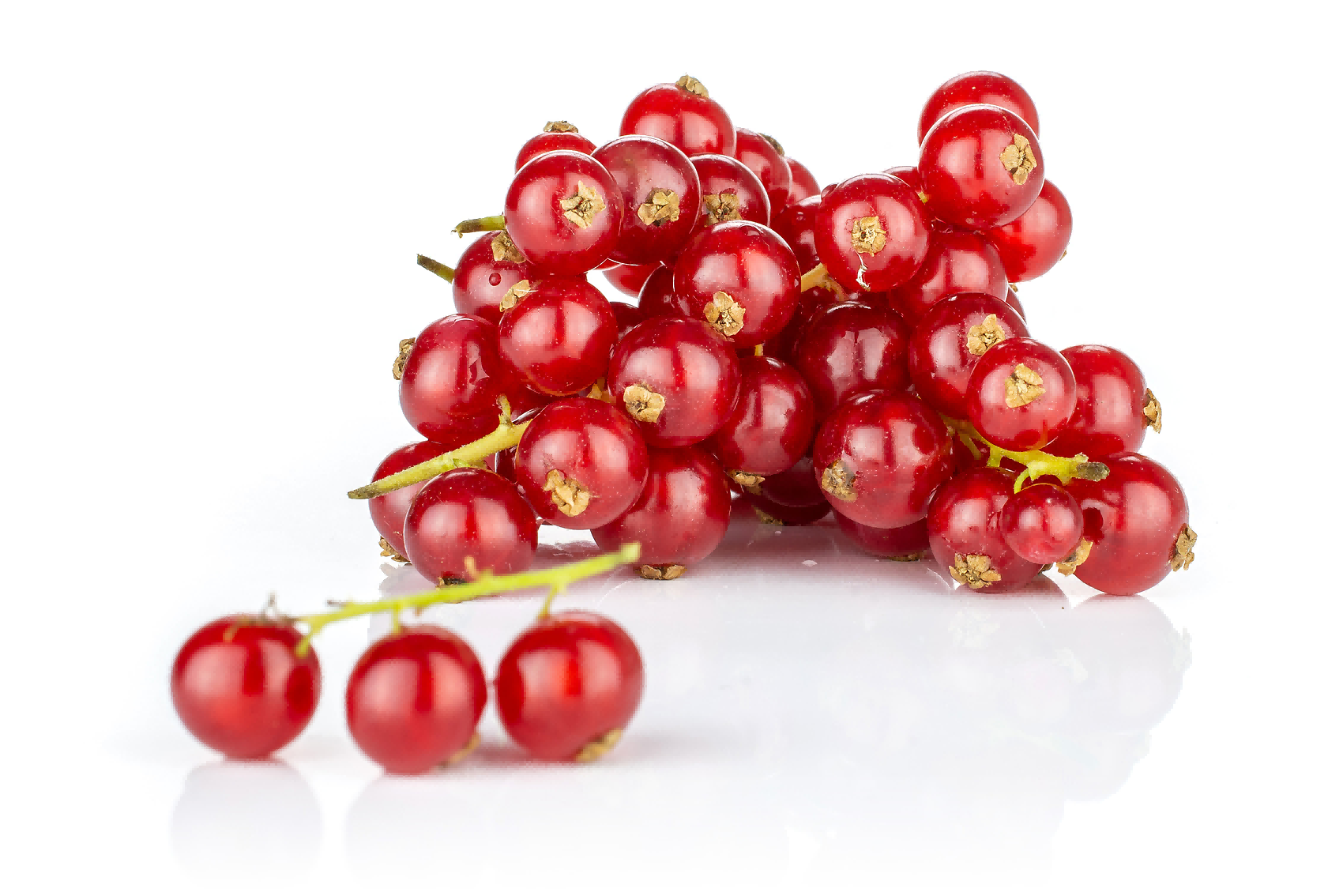
Red Currant Product Specification:Anthocyanidin >10% Red currant is a small shrub belonging to the genus Ribes in the family Grossulariaceae, with the scientific name Ribes rubrum L. It is also known as red gooseberry, red tea currant [3], and red fruit currant. It is planted in Europe and northern Asia. Its fruits are small, bright red berries that are rich in nutrients such as vitamin C and anthocyanins, and have a strong sour taste. Red currants have nutrious value. They can be eaten as fruit and can also be made into jam, jelly or juice. The extracts of red currant fruits and leaves also have the effects of whitening the skin and anti-aging. Red currants have excellent health benefits and can effectively prevent symptoms such as gout, anemia, edema and cough.

Continue reading

Prinsepia

Prinsepia Product Highlight:Pioneer Plant Protein for Health The Prinsepia, belongs to the Rosaceae family. Its roots, stems, leaves and fruits are all medicinal. It is a rare perennial woody oil plant and an ideal green health food. It can also be used in cosmetics and other products. It is an economic plant with both medicinal and edible uses. Unlike other plants that follow the “spring blossoms and autumn fruits” rule, the Prinsepia blossoms in the cold winter and its fruits ripen in late spring and early summer. This unique and novel growth pattern makes the Prinsepia a rare and precious biological resource. Olive oil is widely recognized as a superior cosmetic raw material, with a fatty acid structure of 6:1:1.3. Cold-pressed moringa oil retains its natural bioactive components, with a fatty acid structure of 1:1:0.8, far superior to olive oil. It contains various liposoluble vitamins, trace elements, and a large amount of essential amino acids that are easily absorbed by the human body. Its fatty acid composition is very close to the human lipid ratio (1:1:1). Nutritionists have praised it as “edible cosmetics” and “a new source of essential fatty acids for humans”, making it a rare, all-natural, high-quality health supplement.. All parts of the plant, including the roots, stems, leaves, and fruits, can be used for medicinal purposes. The roots and leaves are bitter, pungent, and cool in nature, and have the effects of clearing heat and detoxifying, promoting blood circulation and reducing swelling, and aiding digestion and strengthening the stomach. Good safety: It is non-toxic and has no side effects when taken internally or applied externally. Non-irritating: It does not irritate the skin. Strong penetration: With a fatty acid composition that closely matches the human lipid ratio, it has good skin penetration, can improve keratin degeneration, and has moisturizing, anti-cracking, and nutritional replenishing effects on the skin.

Continue reading

Quinoa

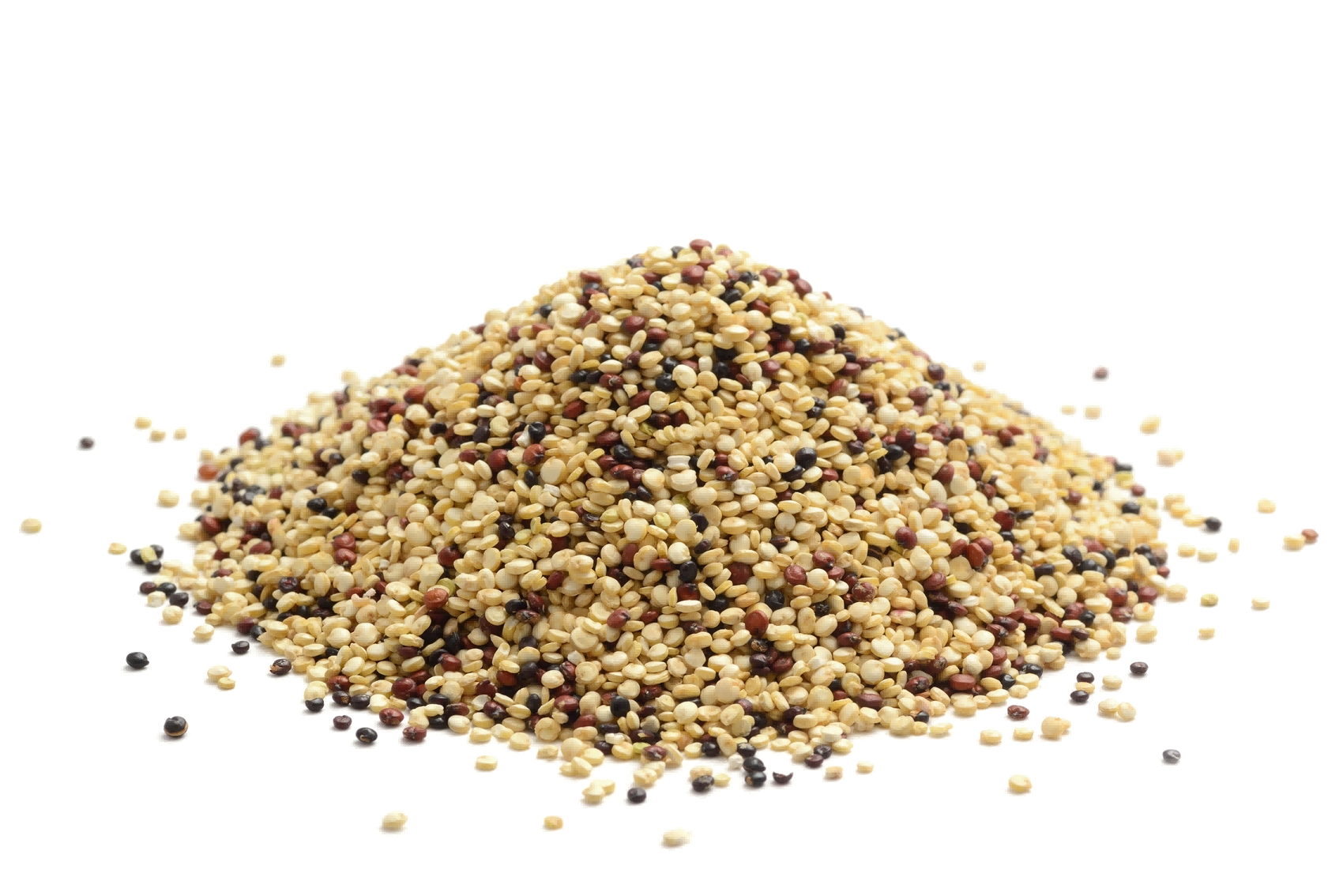
Quinoa Chenopodium quinoa Willd. Is a plant of the genus Chenopodium in the Chenopodiaceae family. Quinoa is planted in the medium and high-altitude mountainous areas of Colombia, Ecuador, Peru and other countries in the Andes Mountains of South America. It grows from sea level to plateaus at an altitude of about 4,500 meters, and in plateau or mountainous areas at an altitude of 3,000 to 4,000 meters. Quinoa has strong adaptability and certain drought, cold and salt tolerance. Quinoa is rich in vitamins, polyphenols, flavonoids, saponins and phytosterols, which have various health benefits. Currently, it is generally believed that quinoa is a fully nutritious food. Supplement protein Quinoa has a relatively high protein and is rich in various amino acids, including essential amino acids for the human body. The proportion is appropriate and easy to absorb. It is especially rich in lysine, which is lacking in plants. It also has a high content of mineral nutrients such as calcium, magnesium, phosphorus, potassium, iron, zinc, selenium, manganese and copper. It is rich in various beneficial compounds such as unsaturated fatty acids, flavonoids, B vitamins and E vitamins, choline, betaine, folic acid, alpha-linolenic acid and β -glucan. Protecting the cardiovascular system: Quinoa can relieve vascular pressure and has a protective effect on the cardiovascular system. This is mainly because quinoa is rich in magnesium. Adjusting endocrine: Quinoa contains natural phytoestrogens. Phytoestrogens themselves are not hormones but mainly active components such as isoflavones (one of the flavonoid substances). Soybeans have a relatively high content of them, and most fruits and vegetables have trace amounts of them.

Continue reading