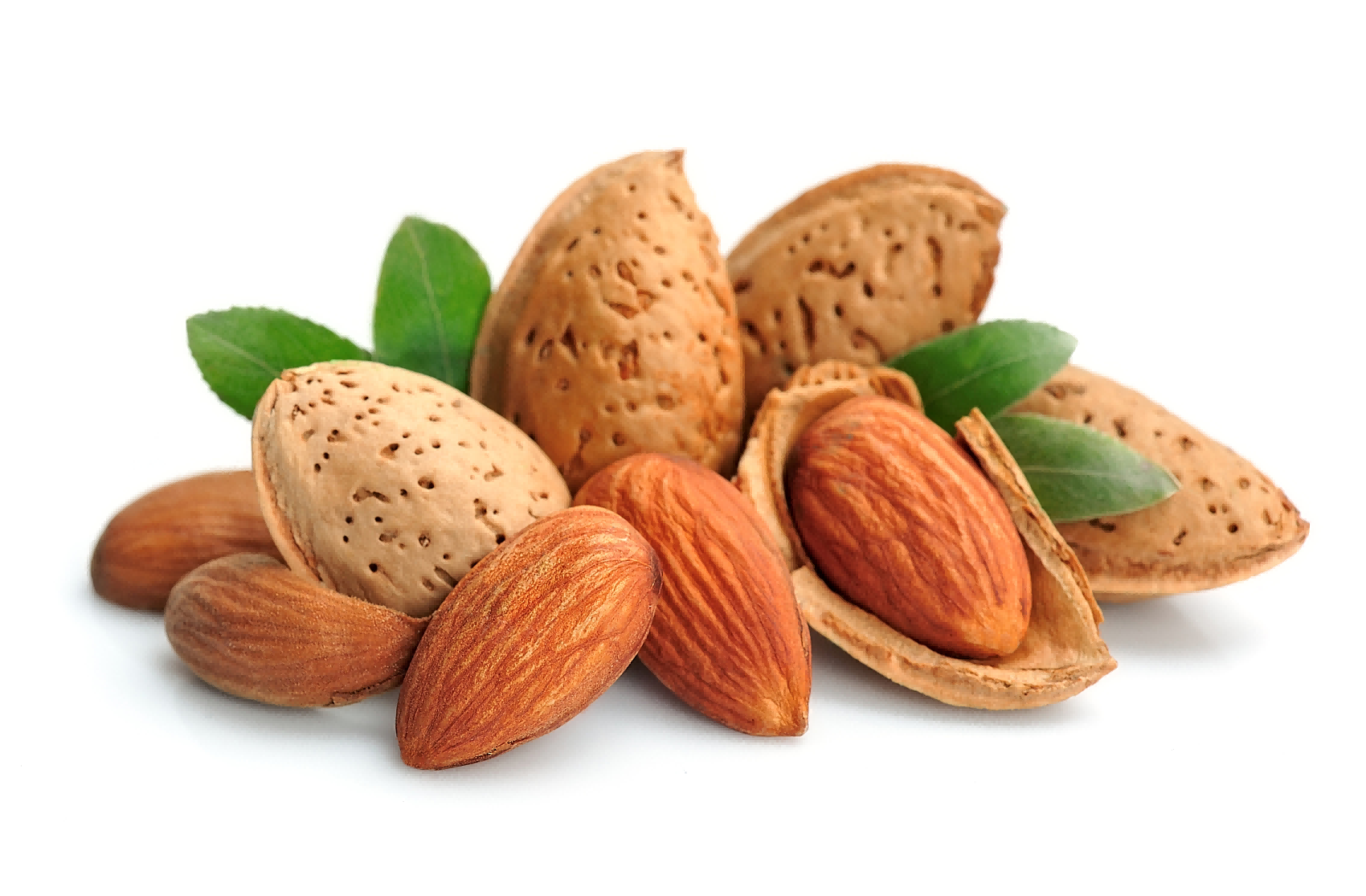
Almonds
Almonds Almond is the kernel of Prunus armeniaca L., a deciduous tree of the Rosaceae family, or Prunus sibirica L. Almonds are mainly produced in northern China, with the majority in provinces and autonomous regions such as Xinjiang, Hebei, Liaoning, Shandong and Shaanxi.Almonds are widely used in fields such as food, cosmetics and medicine. Almonds are rich in nutrients, especially protein, fat, minerals and vitamins, and have high nutritional value. Almonds contain more than twice as much protein as most cereal crops. The types of amino acids they produce complement those of grains. They are an excellent source of essential polyunsaturated fatty acids such as linoleic acid, magnesium and phosphorus. They are also a good source of protein, vitamin E, calcium, iron, zinc, copper and B vitamins. The high-quality protein, fat and other components rich in almonds play an extremely important role in the human body. It is beneficial for relieving the exterior symptoms of the lungs, moistening the intestines, promoting defecation, nourishing the blood, promoting blood circulation, facilitating qi movement, eliminating water retention, aiding digestion and eliminating accumulation; Almonds have nutritional and health care functions such as lowering qi, eliminating phlegm, relieving cough, alleviating asthma, lubricating the intestines and promoting defecation and reducing swelling; Research has found that almond juice can reduce the sensitivity of the trachea to ammonia water stimulation, counteract the excitatory effects of histamine, acetylcholine and barium chloride on tracheal smooth muscle and intestinal smooth muscle, and accelerate the peristalsis of the large intestine; Almond oil can inhibit the biosynthesis of cholesterol, prevent lipid deposition on the walls of blood vessels, promote the excretion of cholesterol, prevent arteriosclerosis.