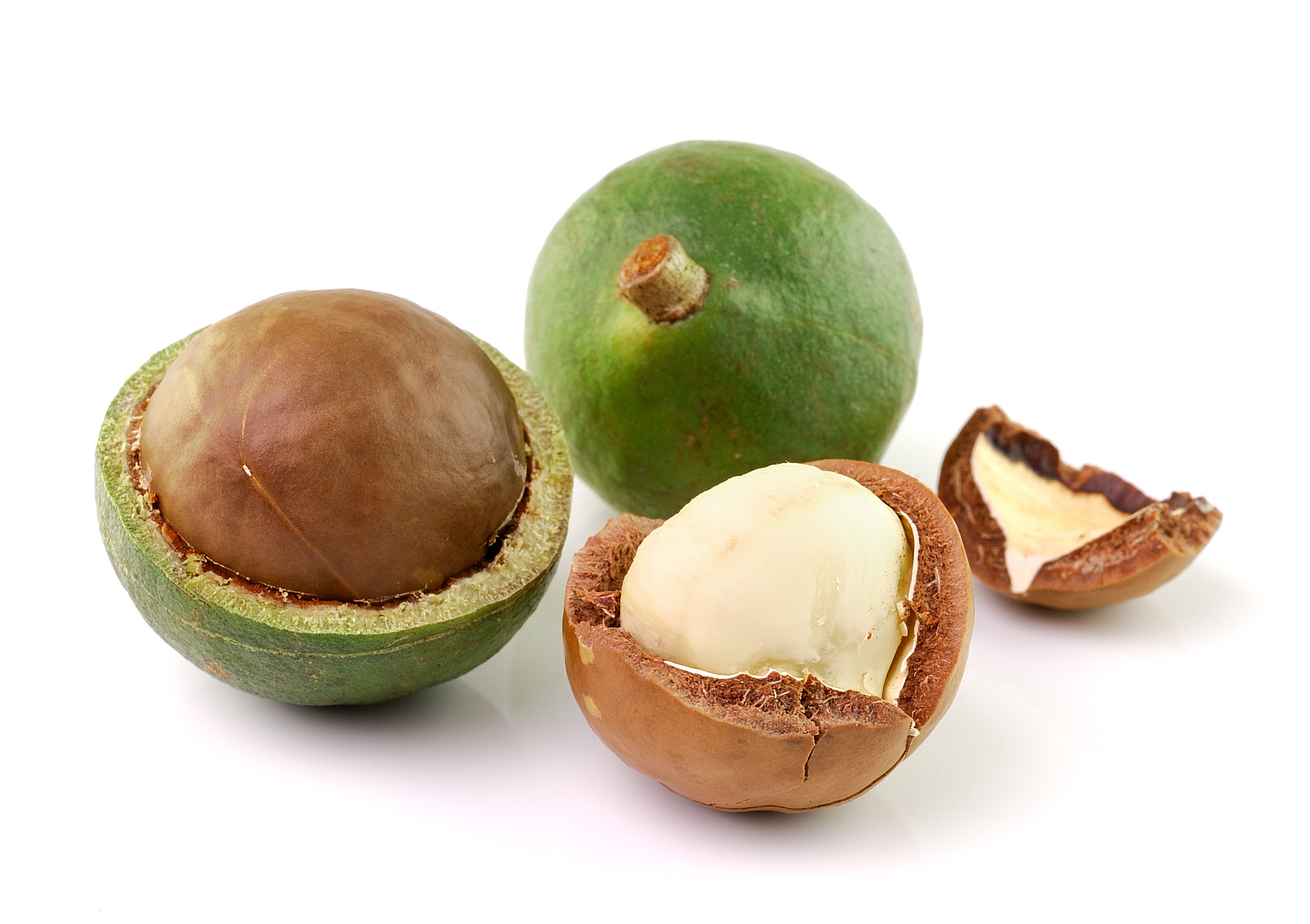
Areca Nut Test Standard:CP Product Features:1. Removes harmful alkaloids(e.g.arecaidine, tannins)while preserving efficacy 2. Beneficial components(e.g.arecoline, caffeine) are retained with optimized bioactivity and stability. Areca catechu L. is an evergreen tree of the genus Areca in the family Palm of the order Palm of the class Magnoliata. It has an upright stem, a tree-like shape, and can grow up to over 10 meters tall, reaching up to 30 meters in height. It has distinct ring-shaped leaf marks and is monoecious. Areca nut is native to the Philippines and is widely cultivated in tropical Asia. It is also grown in Yunnan, Hainan, Guangxi, Guangdong and Taiwan of China. Areca nut is an important traditional Chinese medicine and one of the four major southern medicines in China.
Areca nuts contain over 20 kinds of trace elements, among which 11 are essential for the human body. Areca nut seeds contain 0.3% to 0.6% of total alkaloids, mainly arecoline, and also have small amounts of arecoline, demethylarecoline, isodemethylarecoline, arecoline and high arecoline, all of which exist in combination with tannic acid. There are also tannins, fats, mannitol, galactose, sucrose, catechins, epicatechins, colorless anthocyanins, areca red pigment, saponins and various dimers, trimers and tetramers of primordial cyanidins. Areca nuts have pharmacological effects such as expelling worms, refreshing the mind, promoting gastrointestinal motility, antioxidation and anti-aging.
Continue reading