
May 30, 2024
Quinoa
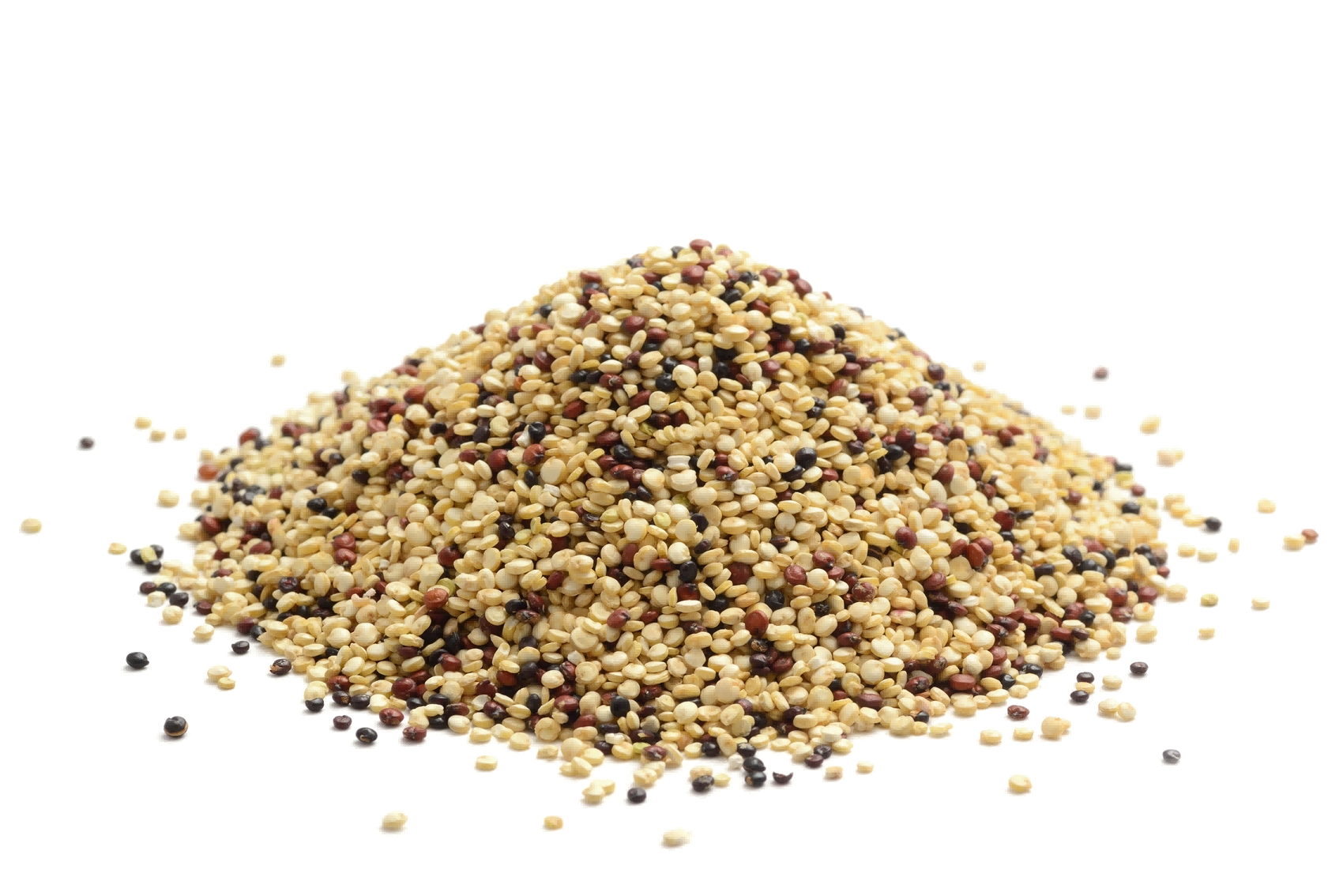
Chenopodium quinoa Willd. Is a plant of the genus Chenopodium in the Chenopodiaceae family. Quinoa is planted in the medium and high-altitude mountainous areas of Colombia, Ecuador, Peru and other countries in the Andes Mountains of South America. It grows from sea level to plateaus at an altitude of about 4,500 meters, and in plateau or mountainous areas at an altitude of 3,000 to 4,000 meters. Quinoa has strong adaptability and certain drought, cold and salt tolerance. Quinoa is rich in vitamins, polyphenols, flavonoids, saponins and phytosterols, which have various health benefits. Currently, it is generally believed that quinoa is a fully nutritious food.
- Supplement protein Quinoa has a relatively high protein and is rich in various amino acids, including essential amino acids for the human body. The proportion is appropriate and easy to absorb. It is especially rich in lysine, which is lacking in plants. It also has a high content of mineral nutrients such as calcium, magnesium, phosphorus, potassium, iron, zinc, selenium, manganese and copper. It is rich in various beneficial compounds such as unsaturated fatty acids, flavonoids, B vitamins and E vitamins, choline, betaine, folic acid, alpha-linolenic acid and β -glucan.
- Protecting the cardiovascular system: Quinoa can relieve vascular pressure and has a protective effect on the cardiovascular system. This is mainly because quinoa is rich in magnesium.
- Adjusting endocrine: Quinoa contains natural phytoestrogens. Phytoestrogens themselves are not hormones but mainly active components such as isoflavones (one of the flavonoid substances). Soybeans have a relatively high content of them, and most fruits and vegetables have trace amounts of them.