Soybean Germ

Soybean Germ Soybean Germ is a botanical ingredient from soybean germ, which has a variety of benefits and effects, including but not limited to: Antioxidant: Soybean Germ is rich in a variety of antioxidant substances, which can effectively inhibit the production of free radicals and slow down the speed of skin aging. Anti-wrinkle: Soybean germ contains a large number of isoflavones, which can effectively promote the production of collagen, so as to achieve the effect of anti-wrinkle and firming. Whitening and light spots: soybean germ isoflavones also have a certain whitening effect, can lighten the skin pigmentation and melanin precipitation. Calming and soothing: soybean germ contains aloe vera polysaccharide and mannitol and other ingredients, can be effective in calming and soothing the skin, relieve the skin inflammation, redness and other problems.
Continue reading

Siberian Ginseng

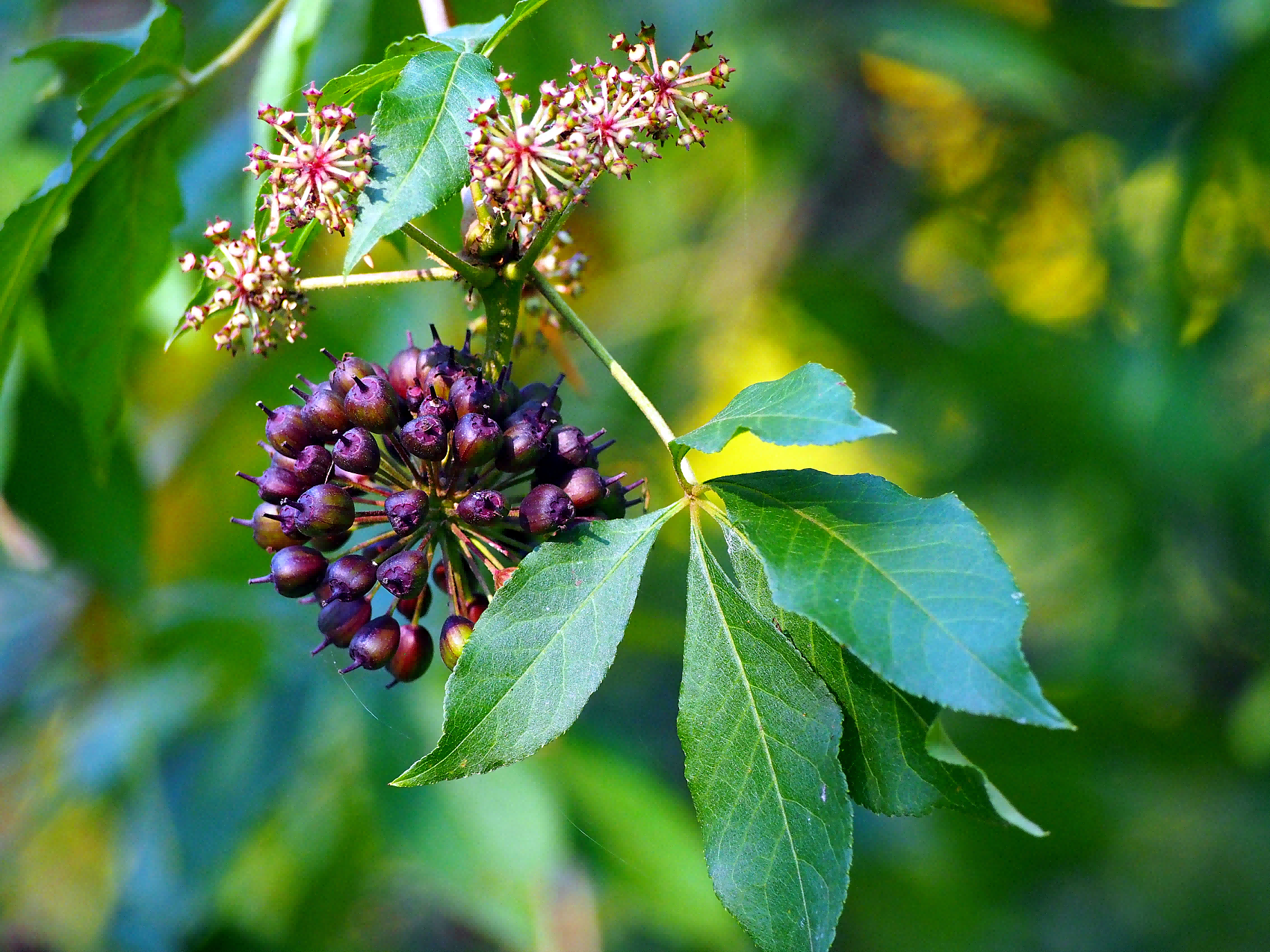
Siberian Ginseng The main components of Acanthopanax can generally achieve immune enhancement, antioxidant and antiviral effects, and need to be used under the guidance of a doctor. Enhance immunity: Sentinel extracts are usually divided into aqueous and alcoholic extracts, with certain immunomodulatory effects. Antioxidant: the major component of Erythrina are Erythrina glycosides, which have relatively strong antioxidants, can remove free radicals in the body, and reduce the role of cell oxidation and apoptosis. Antiviral: it can also help fight against the virus that causes the common cold and influenza, inhibit the body’s viruses to promote recovery.

Continue reading

Pumpkin Seeds Peptide

Pumpkin Seeds Peptide Proteins from Pumpkin have a rich amino acid composition and are a good source of plant protein. It has the effects of improving cardiovascular, enhancing the body’s immunity, enhancing male reproductive ability; It can promote muscle synthesis, antioxidation, and lowering blood sugar.

Continue reading

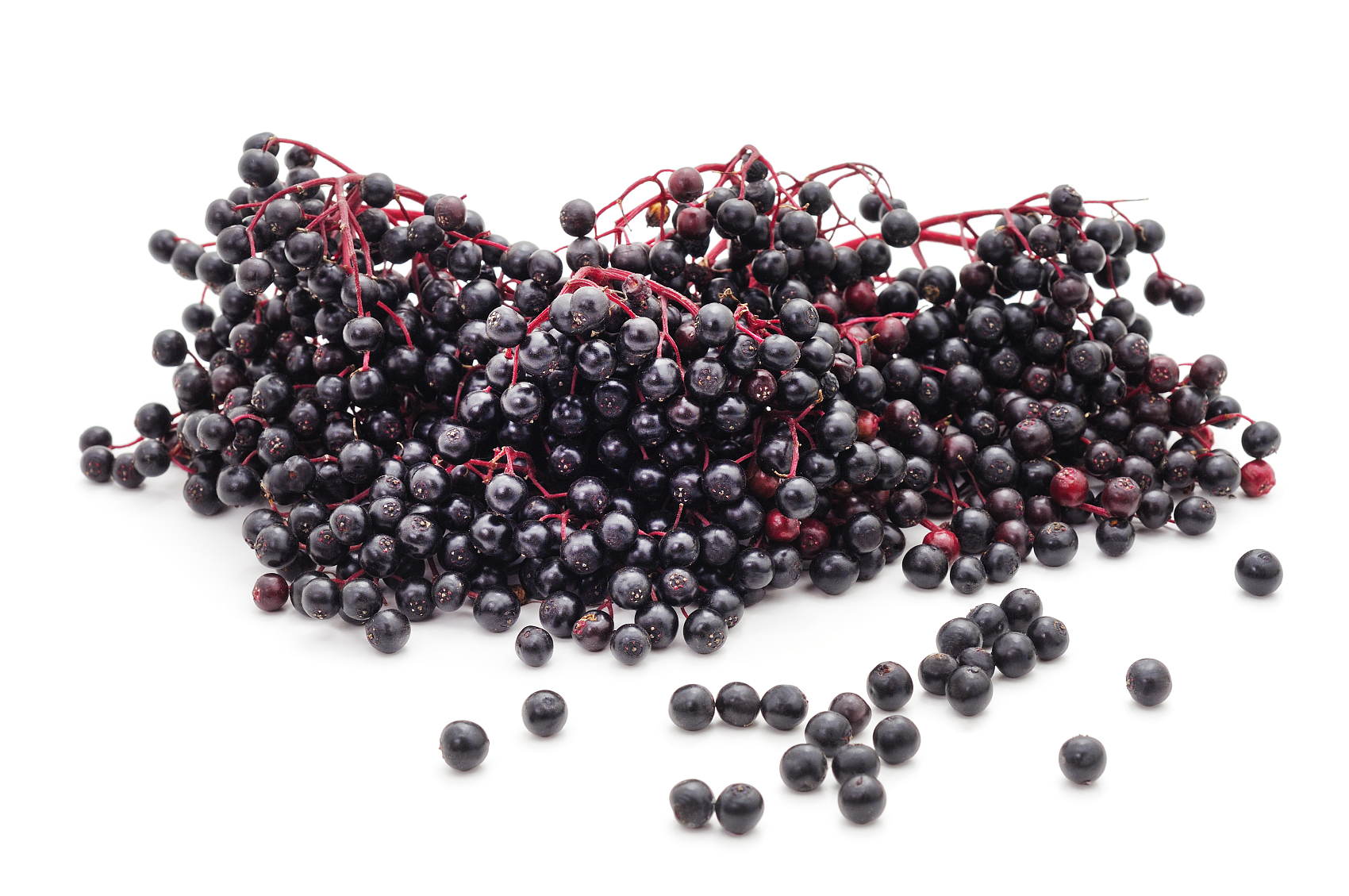
Elderberry

Elderberry The elderberry is a strong oxidant that can eliminate free radicals and prevent aging. Mainly used in acidic beverages, sparkling wine, fruit wine, or various food additives, its main functions are as followings: It has significant therapeutic effects in preventing virus invasion by inhibiting red blood cell agglutinin and enzyme activity that damages cell membranes. It is one of the few plant oils rich in Omega-3, accounting for about 35-45%, and even higher than rose fruit oil and blackcurrant oil. It can not only help the skin calm and stabilize, but also help the skin resist external stimuli in different environments It can reduce the cholesterol density in serum. A double-blind controlled study (lasting for 2 weeks and involving 34 healthy subjects) showed that compared to placebo, low-dose elderberry ingredient has a slight effect on lowering postprandial blood lipids (cholesterol).

Continue reading

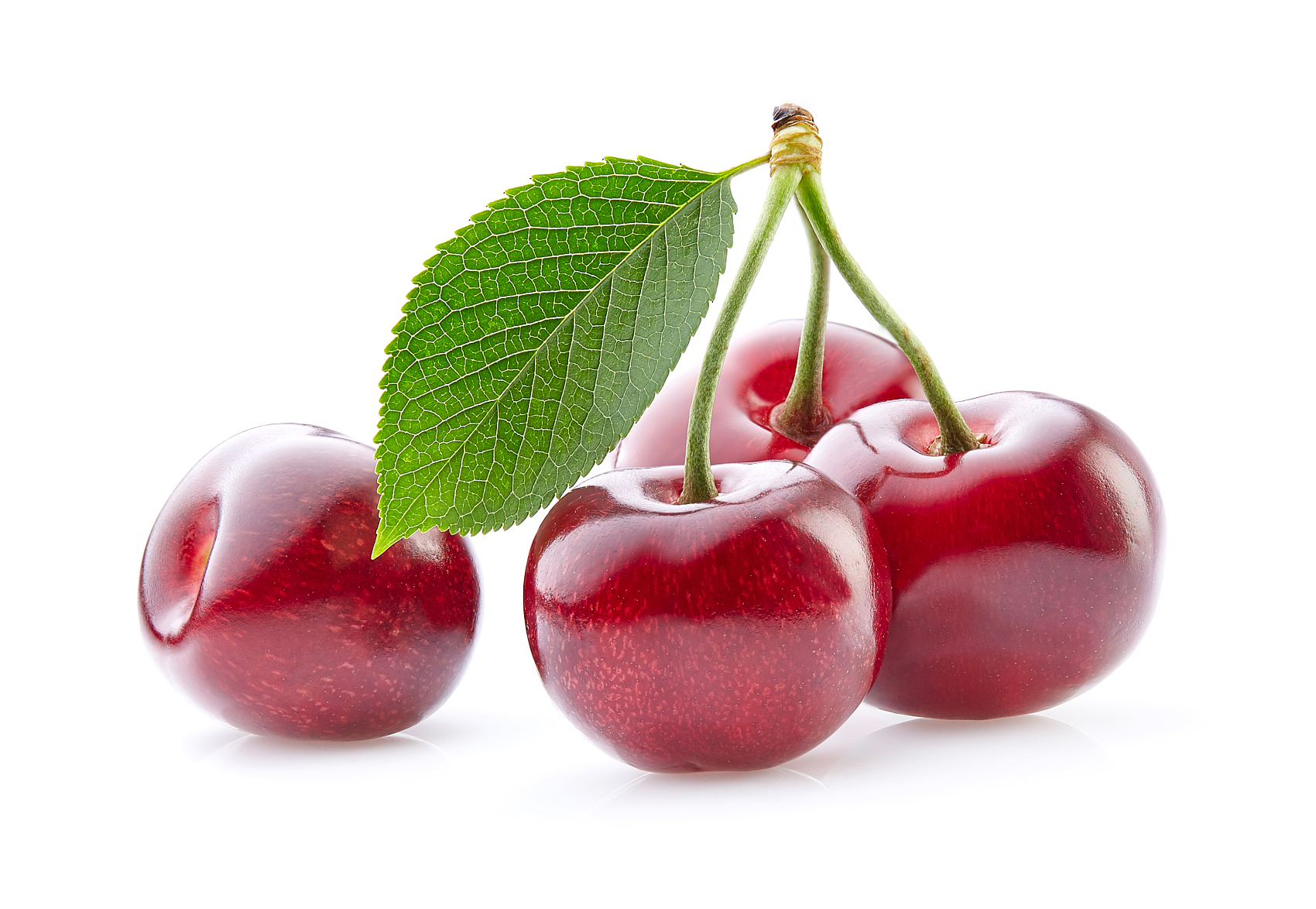
Sweet Cherry

Sweet Cherry Sweet Cherry is rich in various phenolic compounds with related biological activities, and its main functions include: In the Compendium of Materia Medica, it is recorded that “cherries are sweet, astringent, hot, non-toxic, beneficial to qi, can remove rheumatism, treat paralysis and phlegm, treat limb cruelty, rheumatism, lower back and leg pain, chilblains and other diseases.” In the “Compendium of Materia Medica”, it is recorded that “cherries have a sweet, flat, non-toxic taste, with a central tone, beneficial to the temperament, good color, and beautiful taste.

Continue reading

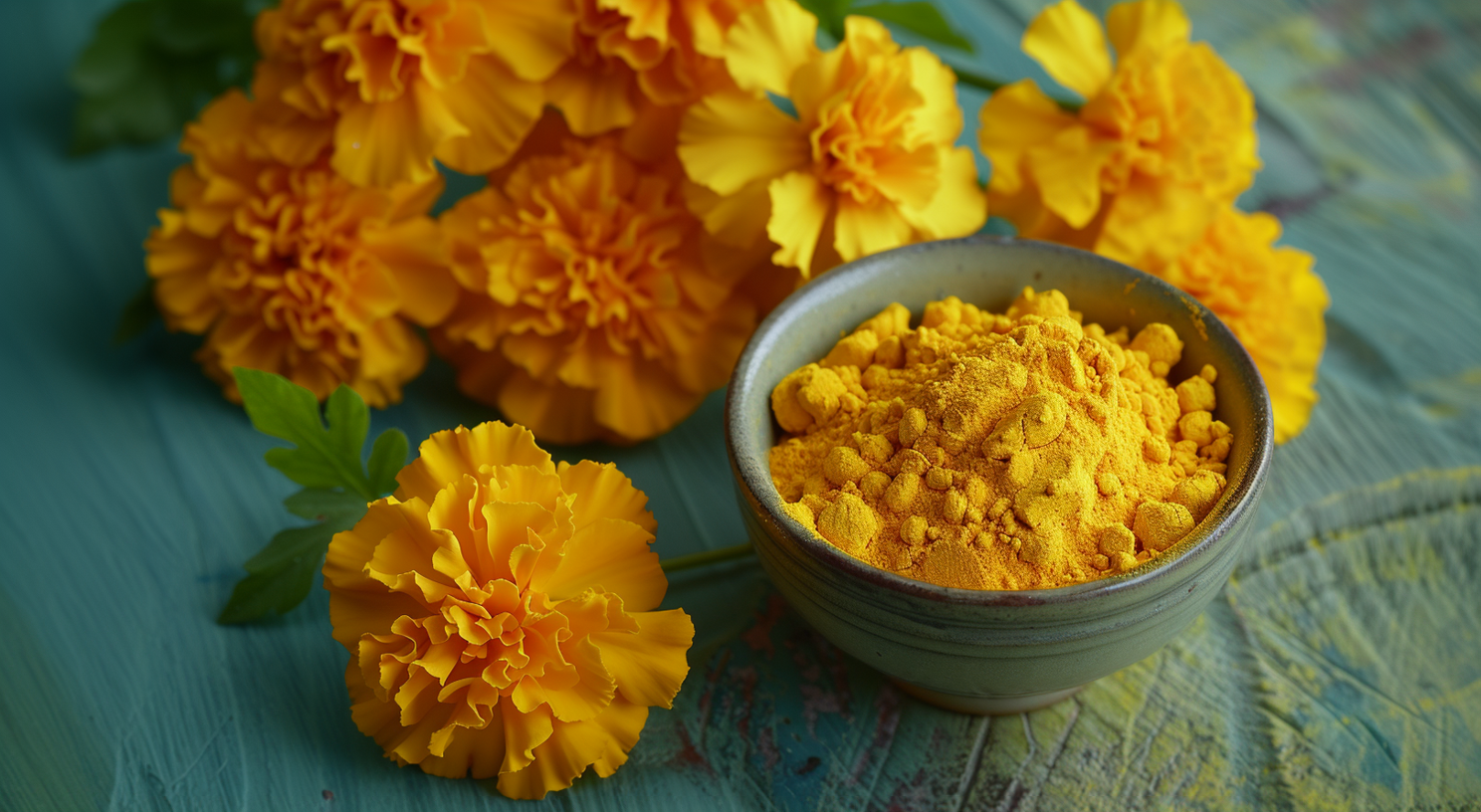
Lutein Ester

Lutein Ester Lutein ester is an important fatty acid lipid that has carotenoid-like effects. Lutein ester is an antioxidant, has the effect of filtering blue light, and has a better nutritional effect on eye development. It can prevent eye damage from UV rays or blue light from mobile phones, and has a protective effect on the retina of the eye. Lutein ester has the ability to protect vision, relieve eye fatigue, can treat blurred vision, dry eyes, eye pain, photophobia, corneal redness and other conditions. It has the effect of preventing macular degeneration and so on. Usually eat more lutein ester, the eyes have a better conditioning and treatment effect.

Continue reading

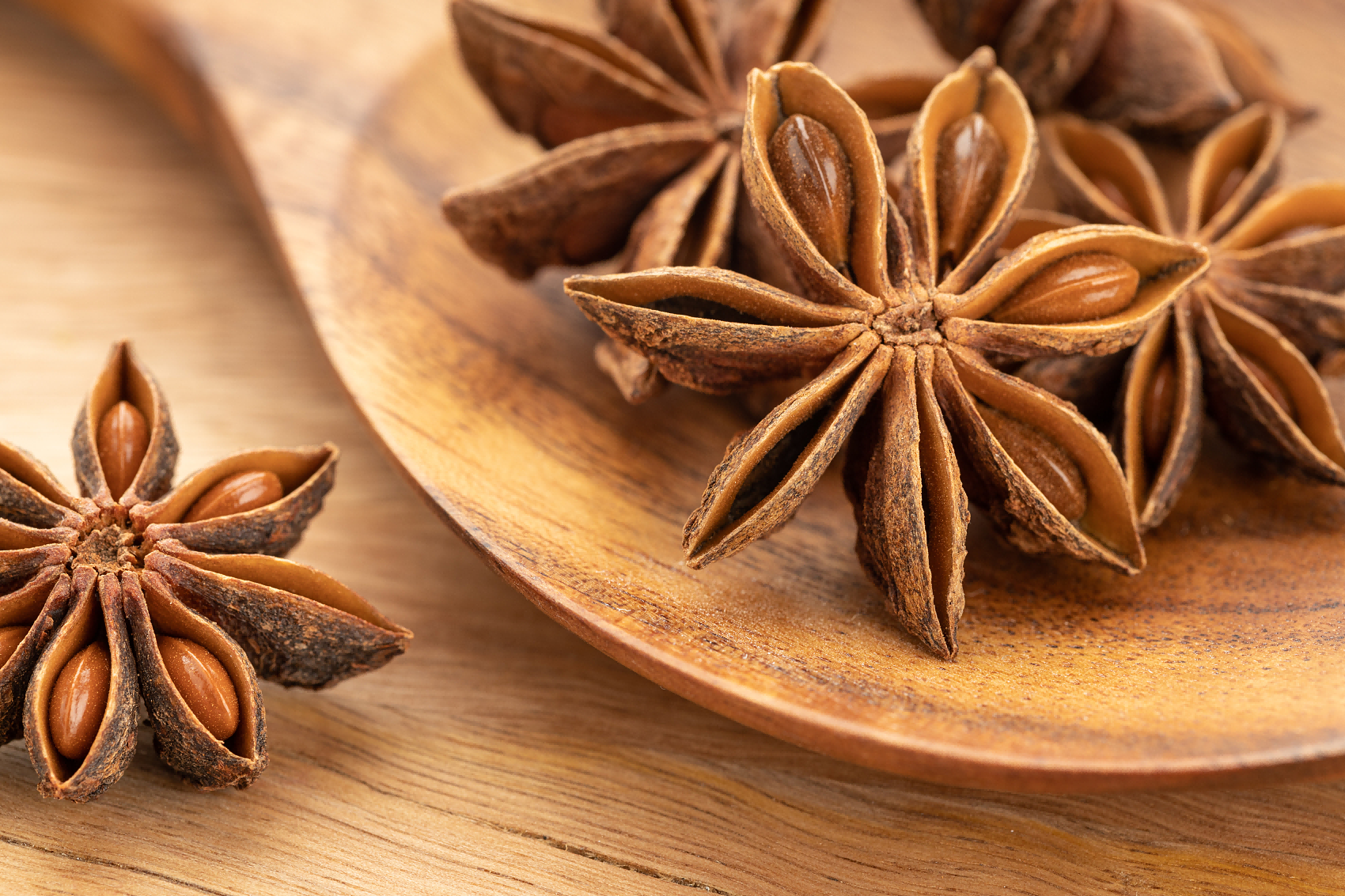
Shikimic acid

Shikimic acid Shikimic Acid is a monosaccharide compound extracted from the Chinese herb star anise. Shikimic Acid affects the metabolism of arachidonic acid to inhibit platelet aggregation, prevent arterial and venous thrombosis, and cerebral thrombosis, and has anti-inflammatory, analgesic effects. It can also be used as an intermediate in antiviral drugs. This product is often used as a pharmaceutical intermediate and has certain irritation. It is not suitable for direct use; Shikimic is an important component of the effective flu virus medicine “Tamiflu”.

Continue reading

Quinoa

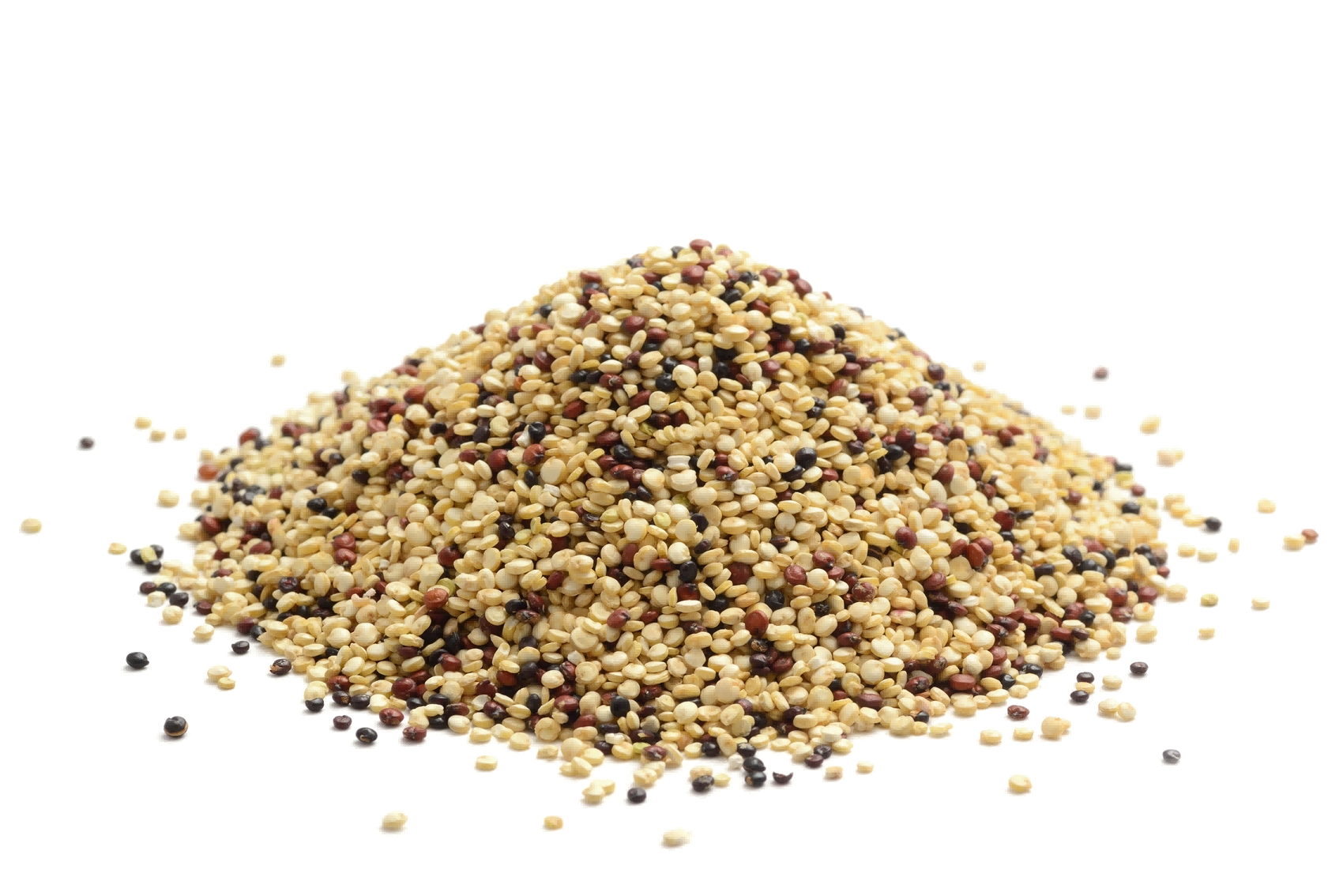
Quinoa Chenopodium quinoa Willd. Is a plant of the genus Chenopodium in the Chenopodiaceae family. Quinoa is planted in the medium and high-altitude mountainous areas of Colombia, Ecuador, Peru and other countries in the Andes Mountains of South America. It grows from sea level to plateaus at an altitude of about 4,500 meters, and in plateau or mountainous areas at an altitude of 3,000 to 4,000 meters. Quinoa has strong adaptability and certain drought, cold and salt tolerance. Quinoa is rich in vitamins, polyphenols, flavonoids, saponins and phytosterols, which have various health benefits. Currently, it is generally believed that quinoa is a fully nutritious food. Supplement protein Quinoa has a relatively high protein and is rich in various amino acids, including essential amino acids for the human body. The proportion is appropriate and easy to absorb. It is especially rich in lysine, which is lacking in plants. It also has a high content of mineral nutrients such as calcium, magnesium, phosphorus, potassium, iron, zinc, selenium, manganese and copper. It is rich in various beneficial compounds such as unsaturated fatty acids, flavonoids, B vitamins and E vitamins, choline, betaine, folic acid, alpha-linolenic acid and β -glucan. Protecting the cardiovascular system: Quinoa can relieve vascular pressure and has a protective effect on the cardiovascular system. This is mainly because quinoa is rich in magnesium. Adjusting endocrine: Quinoa contains natural phytoestrogens. Phytoestrogens themselves are not hormones but mainly active components such as isoflavones (one of the flavonoid substances). Soybeans have a relatively high content of them, and most fruits and vegetables have trace amounts of them.

Continue reading

Rumex Patiential

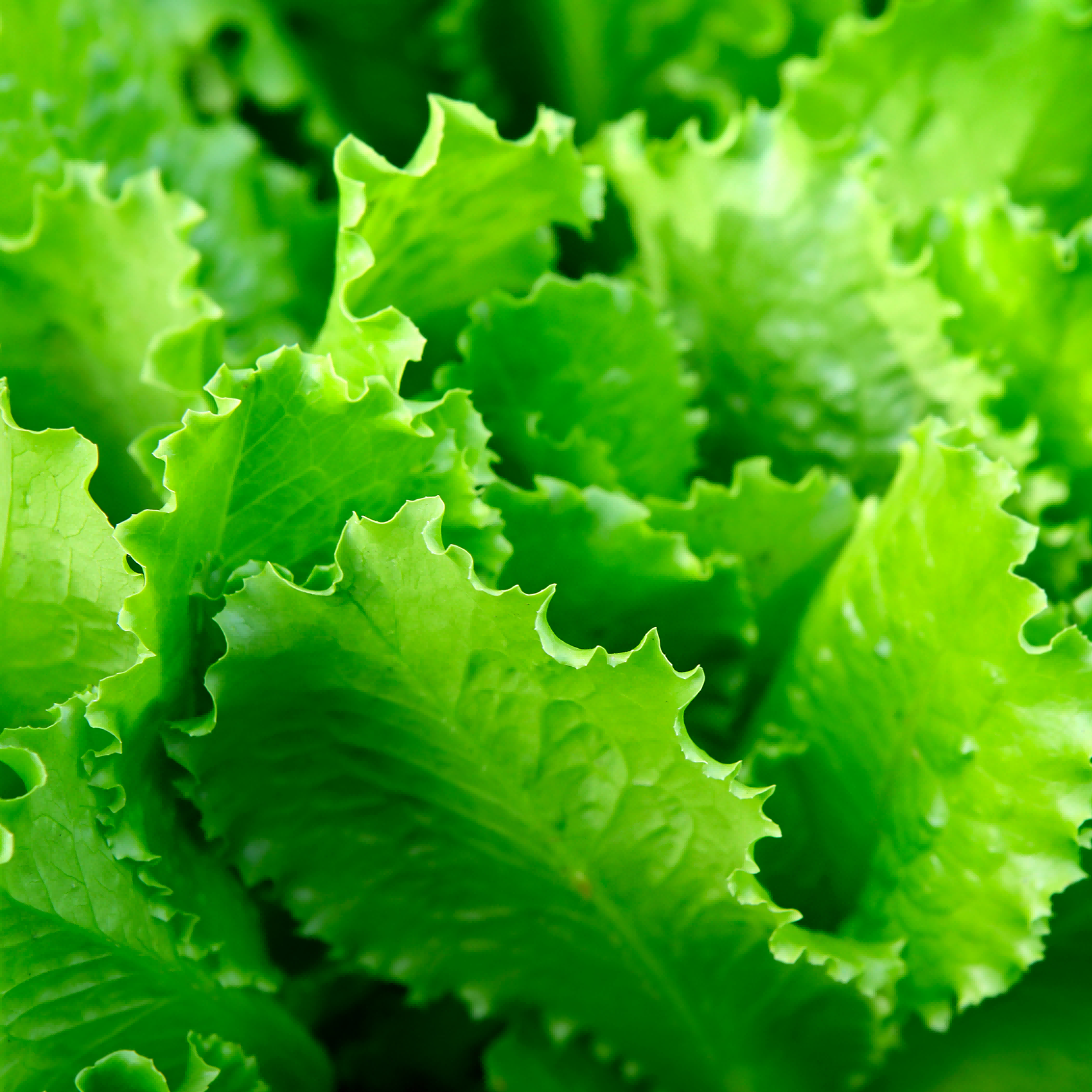
Rumex Patiential Rumex patientia (scientific name:Rumex patientia L.×Rumex tianschanicus a.los) is A plant of the genus Rumex in the Polygonaceae family. It is also known as leaf-eating oxalate, leaf-eating vegetable, and protein grass. It was obtained through crossbreeding of Rumex patientia L. (×Rumex. tianschanicus cv. Rumex K-1) as the female and Rumex patientia L. (Rumex patientia L.) as the male. The plants are tall and have a high grass yield. The Rumex patientia was approved as a new food ingredient by the National Health Commission of China in October 2021 and was included in the Chinese Food List. The main nutritional value of Rumex patientia: The protein content of the Rumex patientia is high, rich in the 18 kinds of amino acids, vitamins, chlorophyll, chlorogenic acid, beneficial minerals and other elements needed by the human body, especially potassium, selenium, SOD, isoflavones, emojis and other elements with medicinal effects. The Rumex patientia grass can enhance immunity, strengthen the body, and conserve energy.

Continue reading

Green Mussel

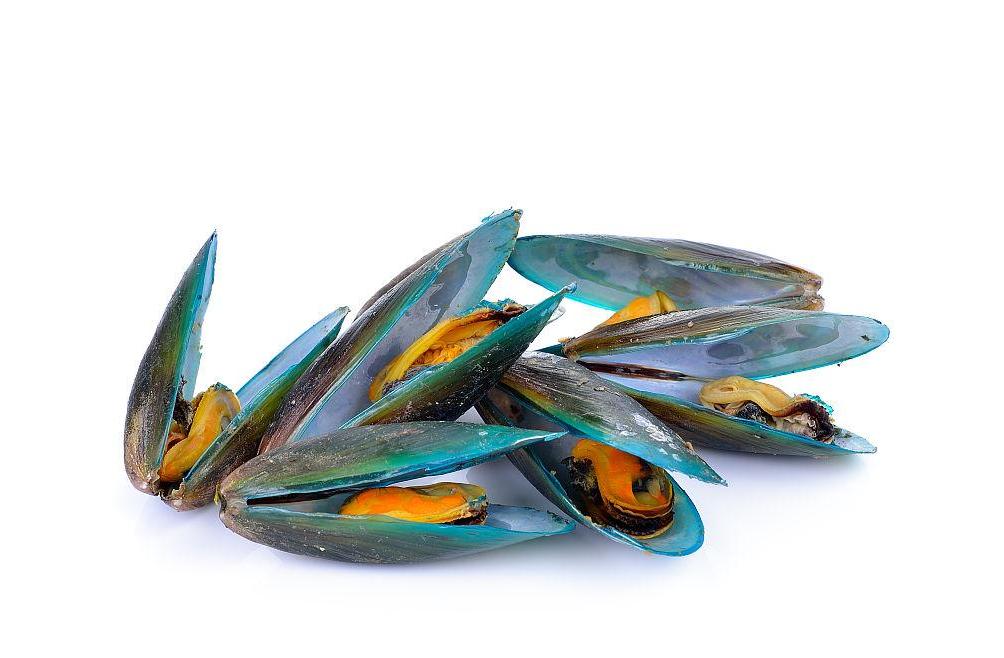
Green Mussel The green mussel (scientific name: Perna viridis), also known as the green-mouthed mussel, green shell vegetable clam, etc., belongs to the genus Perna of the family Perna in the order Mytiloida.​ Occasionally found along the Atlantic coast of eastern Florida in the United States, it is a common edible mussel. Its main nutritional values are: Green mussels are rich in protein and amino acids, with essential amino acids accounting for 33.2% of the total amino acid content. They are also abundant in crude fat and fatty acids, especially EPA and DHA, which make up 26.01% of the total fatty acids. In addition to being rich in inorganic elements such as Ca, Mg and Fe, it also has a relatively high content of Se. Green mussels are nutritionally balanced and rich in various essential amino acids, unsaturated fatty acids, inorganic elements and other nutrients for human life activities. Among them, bioactive substances such as taurine, EPA,DHA and selenium have important functions for the body, such as disease resistance, detoxification and enhancing immunity, and have high development and utilization value.

Continue reading